Systems engineering.
Fully connected.

Software for building complex systems.
Connect the requirements, design, risks and evidence.

32 connected assemblies

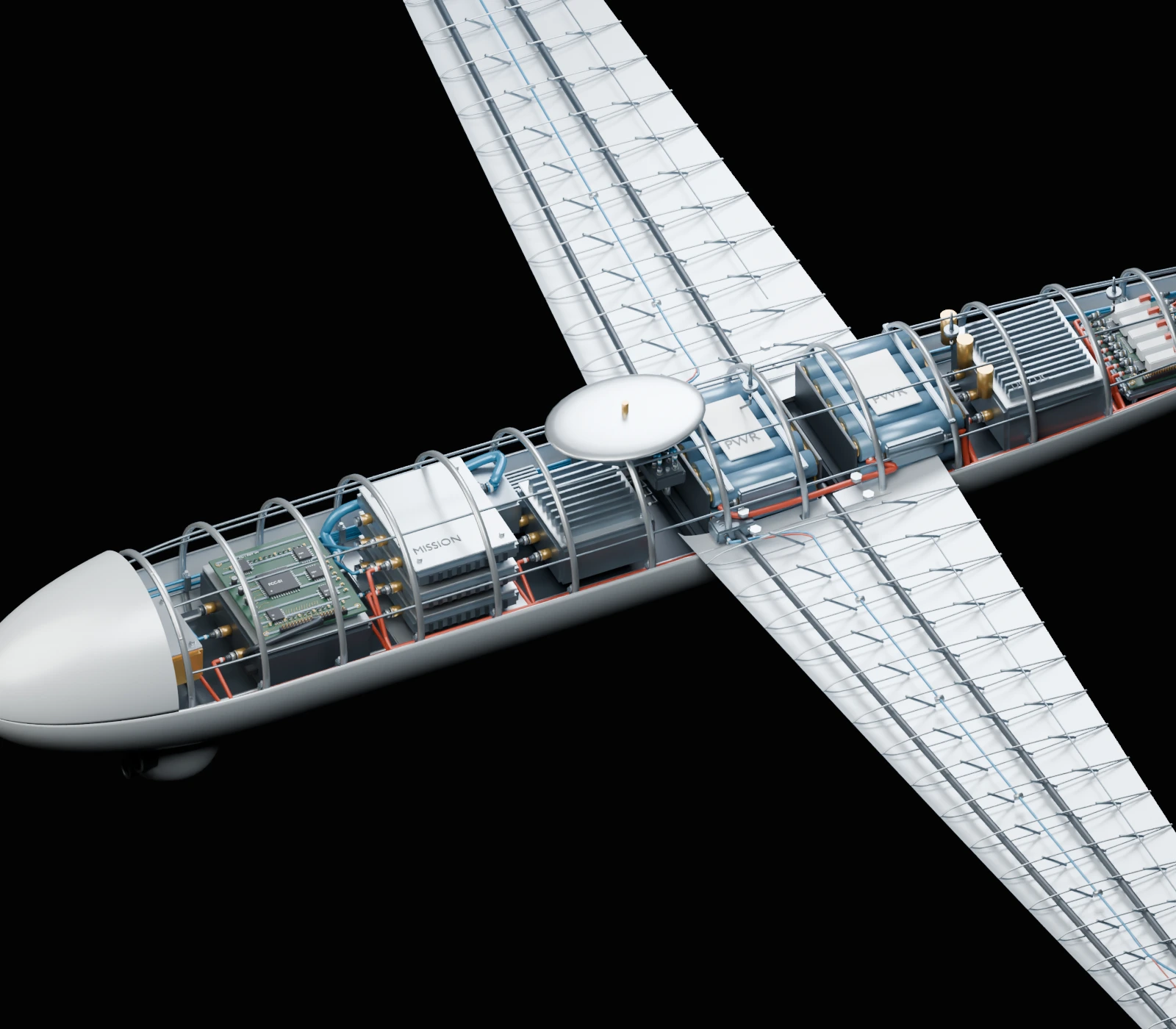
Albatross-1 Illustrative engineering model
Inside Albatross-1

The assembled system.

Open the cutaway to inspect the structure, electronics and power systems beneath the skin.

Follow the engineering thread

Drag to inspect · Select a component

Illustrative Albatross-1 system

Skip to the model

Albatross-1

Explore the engineering beneath the surface.

The software behind the system

Know what you’re building.
And why it will work.

SyntheraOS is a shared engineering workspace for teams building systems with many dependent parts.

It connects what a system must do, how it is designed, what could go wrong and the evidence needed to prove it works. Open any part of that story and follow what it depends on.

Four jobs. One connected model.Explore a question

Requirements and needs

Turn “make it reliable” into something you can check.

A good starting point is a clear promise: the aircraft must keep control if one power element fails. SyntheraOS keeps that requirement with its purpose, owner and acceptance criteria.

Everyone can see what success means before choosing a solution.

Go deeper: requirements and traceability

A requirement is a versioned engineering object with a review state, rationale, acceptance criteria and verification method. Parent requirements provide context; linked components and verification cases connect intent to implementation. Quality flags expose missing criteria rather than hiding them in prose.

Every component.
A connected consequence.

Explore Albatross’s power architecture. Select a component, interrupt the shared supply, then inspect the engineering records it affects.

Power path available
Interactive dependency example
Close-up of Albatross's authored aircraft model, showing the battery, power electronics, flight computers and terminated wiring inside the fuselage.

Albatross-1 Power architecture

Supplying powerOne shared supply.Flight control and propulsion depend on it.
Inspect a component

The battery is available. Both functions depend on a single converter.

Explore all 10 capabilities

Ask the systems engineer.

Ask a question in ordinary language. Then inspect the requirement, risk or test behind the answer.

SyntheraAlbatross-1Scripted example

Where is the weak link in the power architecture?

One supply. Two critical functions.

The shared power rail feeds both propulsion and flight control. A supply fault can affect both. The open risk records a score of 20; its mitigation is not yet defined.

Interactive example from the Albatross model. No live AI request.

Work in the whole picture.

Explore the prototype
Albatross-1Coastal survey UAV
Interactive preview
REQ-SUB-014Illustrative interface · source-backed sample data

A working preview in the SyntheraOS site theme. Based on the Albatross sample model; changes here do not update a project.

A little more context

Understand the whole idea.

Start with the explanation. Open the engineering detail when you need it.

What is a “digital thread”?

It is the connected story of a system: why you need it, what it must do, how it is built and how you check it. You can follow that story in either direction.

In engineering terms: traceability across typed objects and relationships, including needs, requirements, functions, components, risks and verification cases. A missing relationship is a gap to review, not a connection to assume.

Explore a requirement
How do I know what to work on next?

Engineering GPS organizes the program by lifecycle stage, surfaces missing information and points to a next action. It gives the team context for the work, rather than just another list of tasks.

In engineering terms: stage context, completeness gaps, warnings and recommended actions linked to the relevant objects. The prototype includes stages from mission definition and architecture through verification and operation.

Where does AI fit into the process?

Ask the systems engineer helps you ask questions about the model and inspect the records behind an answer. Your team still reviews the engineering decision and its evidence.

In engineering terms: source-linked reasoning keeps an explanation connected to identified requirements, risks and verification records. The three questions on this page are scripted examples, so you can explore the interaction without sending a live AI request.

Try a source-linked answer
Is the 3D aircraft the product?

The aircraft is an example that makes the connections tangible. SyntheraOS is the engineering workspace behind it. The same model structure is also used in the prototype’s desalination project.

In engineering terms: the core is an object-and-relationship model. A 3D view is one way to inspect context, alongside requirement, architecture, risk and verification views. This authored aircraft is illustrative, not a validated aircraft design.

Explore the engineering workspace
Can it connect the engineering to cost and schedule?

Cost and schedule records can sit alongside the design they relate to. That makes it easier to ask what a design choice means for the wider program.

In engineering terms: the Albatross sample includes cost items linked to components and suppliers, with estimate, commitment and actual-cost fields. A shared model keeps that context close to engineering changes; it does not make every consequence a known or calculated result.

Bring your system

Let’s connect
the real thing.

Show us what you’re engineering.
We’ll show you where SyntheraOS fits.

hello@syntheraos.com
Opens an email draft.
You choose when to send.
SyntheraOS workspace preview